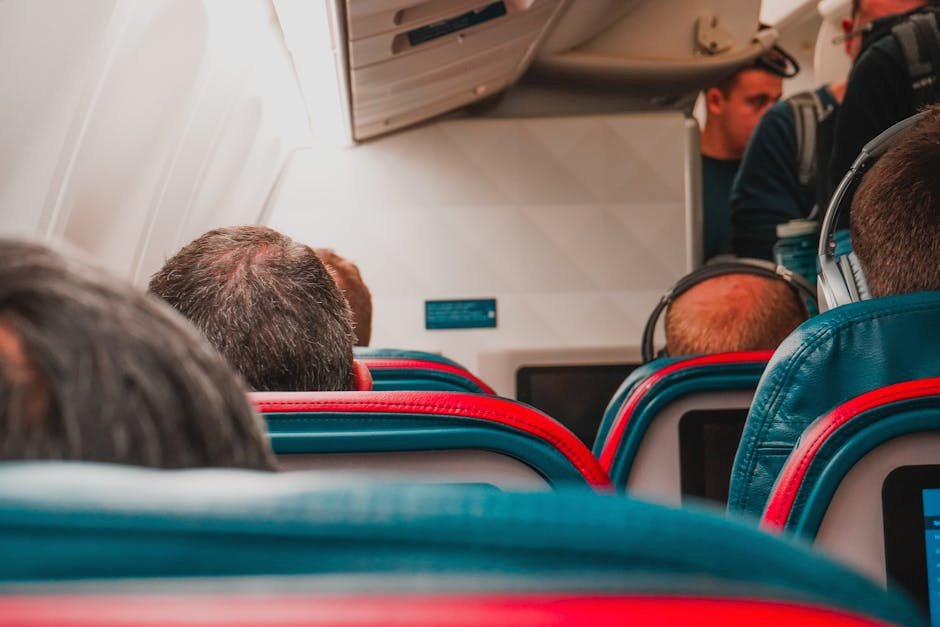
Long-haul international flights across multiple time zones commonly result in jet lag affecting sleep patterns, energy levels, and overall well-being. Effective management strategies help travelers adjust more quickly to destination time zones.
Pre-Flight Preparation
Adjusting sleep schedules in the days leading up to departure helps minimize jet lag impact. Travelers heading east benefit from earlier bedtimes while westward travelers adjust by staying up later than usual.
In-Flight Strategies
Maintaining hydration with water rather than alcohol or caffeine during the flight reduces dehydration effects. Setting watches to destination time immediately after boarding helps mental adjustment to the new time zone schedule.
Arrival Adjustment
Exposure to natural daylight at the destination helps reset circadian rhythms. Avoiding extended naps and adopting local meal schedules accelerates time zone adjustment for most international travelers. Once adjusted and ready to explore, travelers arriving in Japan can turn to our guide on Cultural Etiquette Guidelines for Japanese Travel.
Light Therapy and Circadian Regulation
Strategic light exposure represents one of the most effective interventions for managing jet lag effects. Bright light exposure during destination morning hours and avoidance during destination evening hours accelerates circadian rhythm adjustment. Portable light therapy devices have become increasingly popular among frequent business travelers.
Sleep Aid Considerations
Short-acting prescription sleep medications and melatonin supplements provide options for managing in-flight rest periods. Travelers should consult medical professionals regarding appropriate use of sleep aids particularly when crossing multiple time zones. Avoiding alcohol during long-haul flights significantly improves arrival sleep quality.
Hydration and Nutrition Strategies
Cabin air maintains low humidity contributing to dehydration over extended flights. Consuming approximately 250ml of water per flight hour helps maintain hydration. Light meals timed to align with destination eating schedules support circadian adjustment more effectively than meals served according to departure time.