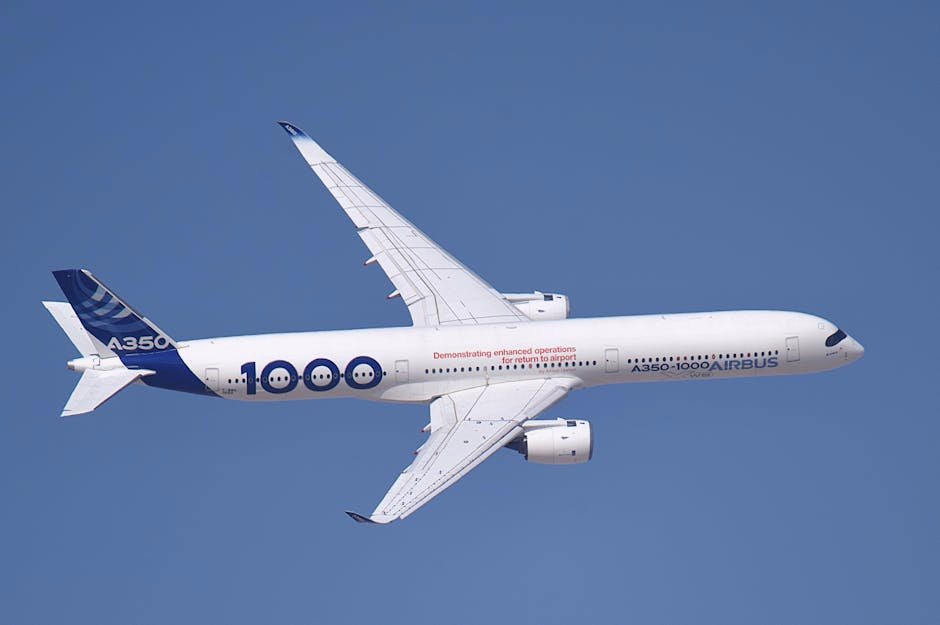
The evolution of long-haul commercial aircraft represents one of the most significant technological achievements of the twentieth century. From the Boeing 707 to the modern Airbus A350, each generation has expanded operational capabilities.
Early Jet Era
The introduction of the Boeing 707 in 1958 began the modern jet age. The aircraft enabled regular transatlantic service at speeds previously unachievable, transforming international travel.
Wide-Body Revolution
The 1970s wide-body revolution introduced aircraft including the Boeing 747, Lockheed L-1011, and McDonnell Douglas DC-10. These aircraft offered substantially greater passenger capacity and range capabilities.
Modern Twin-Engine Era
Current generation aircraft including the Boeing 777, 787 Dreamliner, and Airbus A350 utilize twin-engine configurations with advanced composite materials. These aircraft achieve exceptional fuel efficiency on long-haul routes connecting major international destinations. How these aircraft are serviced between sectors is something we look at in Airport Ground Operations and Turnaround Efficiency.
Composite Materials and Structural Innovation
Modern long-haul aircraft incorporate carbon fiber reinforced polymer composites for over 50 percent of structural weight on the Boeing 787 and Airbus A350. Composite construction enables higher cabin pressure altitudes and humidity levels, significantly improving passenger comfort during extended flights.
Propulsion System Evolution
Twin-engine wide-body operations rely on Extended-Range Twin-Engine Operations Performance Standards certification enabling routes requiring up to 370 minutes single-engine diversion capability. Modern engine families including the General Electric GEnx, Rolls-Royce Trent XWB, and Pratt and Whitney PW1100G achieve specific fuel consumption improvements of 15 to 20 percent compared to previous generation powerplants.
Avionics and Pilot Interface
Contemporary cockpit designs feature large format liquid crystal displays presenting integrated flight information, navigation data, and aircraft system status. Head-up display systems and synthetic vision technology enhance situational awareness during approach and landing in challenging conditions.